




Bookster: o carte-surpriza si un kit care te duce in copilarie



Tchibo Tech Romania in 2027: Building Capabilities, Delivering Business Value
Adrian Postelnicu, Managing Director of Tchibo Tech Romania and Head of Product Management, and Christoph Kastaun, Group IT Director at Tchibo, discuss the growth of the Romanian technology hub, the capabilities shaping the digital future of Tchibo, and how teams across locations can turn technology into business value.
Why is Romania important to the technology organization of Tchibo, and what has the hub achieved so far?
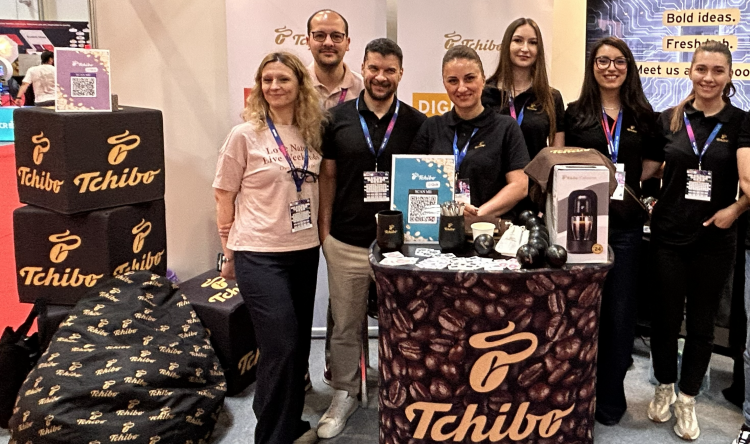
Adrian Postelnicu: Romania has become an important part of the technology organization of Tchibo, not simply as a location for additional capacity, but as a strategic hub where teams take ownership and contribute to shared business goals. One of our key achievements is building an organisation of almost 100 people, including internal employees and external professionals, with fully established teams led by hiring managers based in Romania, alongside cross-location teams collaborating with colleagues across Tchibo.
This provides a strong foundation for combining local leadership and accountability with close collaboration across the organisation, while leveraging Romania’s highly qualified talent in key technology areas such as Data, AI, SAP and modern full-stack software engineering. Looking ahead, we also see the Romanian market’s strong product and project management capabilities as a strategic growth lever that we intend to further develop and leverage in 2027.

Christoph Kastaun: For a technology organisation, the value of a location lies in the capabilities it develops and the contribution it makes to the wider business. The Romanian hub gives us an opportunity to build multi-disciplinary teams, strengthen expertise and collaborate across locations. The next step is to continue developing these capabilities in line with the business priorities of Tchibo.
Which business priorities will shape the technology agenda of Tchibo through 2027?
Christoph Kastaun: Technology needs to support the business where it matters most: reliable operations, effective digital customer experiences, better use of data and the ability to adapt as business needs change. This requires more than delivering individual projects. It means developing technology capabilities that can be maintained, improved and reused over time.
Engineering, enterprise platforms, data and AI all have a role to play, but their value depends on how well they address real business needs. Our focus should be on connecting technology decisions to tangible outcomes while maintaining the reliability and resilience that the business depends on.
Adrian Postelnicu: For Tchibo Tech Romania, this means building the skills, teams and ways of working needed to contribute to the strategic priorities of Tchibo. As our organisation grows, it is essential that our teams understand not only what they deliver, but also why it matters. Clear ownership, close collaboration with stakeholders, and a strong focus on customer outcomes and business value will be key to our success.
n an era where AI is increasingly commoditising delivery, our value lies not only in how efficiently we execute, but also in how effectively we apply AI across our processes, maintain high quality standards, and ensure seamless end-to-end integration. Above all, we must continue to take ownership of the outcomes and remain accountable for the value we deliver.
How will software engineering, data and AI create value for Tchibo?
Christoph Kastaun: These capabilities are most effective when they work together. Software engineering provides the systems and digital products the business relies on. Data helps us understand performance, identify patterns and make better-informed decisions. AI can extend those capabilities by helping automate suitable tasks, extract insights and support more efficient ways of working.
The opportunity is not to adopt technology for its own sake. It is to identify meaningful use cases, assess their value and integrate successful solutions into everyday operations. That also requires attention to data quality, security, governance and the reliability of the systems involved.
Adrian Postelnicu: From the Romanian hub’s perspective, the opportunity is to bring these disciplines together in teams that can contribute throughout the products’ lifecycle. Whether the work involves engineering, data, AI or enterprise systems such as SAP, the objective should be the same: solve a business problem, deliver a dependable solution and keep improving it based on real needs.
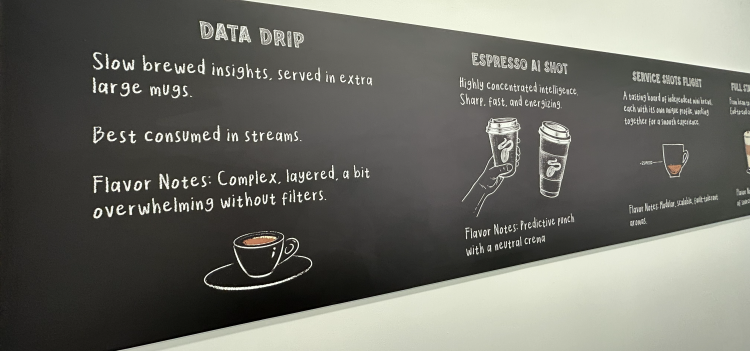
How do teams in Bucharest and Hamburg work together as one technology organisation?
Adrian Postelnicu: We operate as one unified team, independent of the location. Our cross-location teams collaborate with colleagues across Tchibo, seamlessly and fully integrated. Hence, the important distinction is that we build teams with ownership and continuity, not simply add individual roles to projects.
For collaboration to work well, teams need shared priorities, clear responsibilities, and regular and frequent communication. They also need to understand the broader context behind their work. When colleagues across locations are aligned on outcomes and empowered to contribute, geography becomes less important than the strength of the team and the quality of its results.
Christoph Kastaun: A cross-location organisation works best when teams share responsibility for results. That means establishing clear interfaces, making decisions transparent and creating opportunities for people to learn from one another. The goal is one technology organisation with common priorities, rather than separate locations working in parallel.
What talent and culture will Tchibo need for the next stage of growth?
Adrian Postelnicu: Sustainable growth depends on more than recruitment. It requires strategic business clarity, effective leadership, and an environment where people can take responsibility and continue developing. Developing the Romanian organization helps us build local leadership, that is then brought into the broader leadership team of Tchibo. Whilst cross-location collaboration gives people the opportunity to work with colleagues across the wider organisation. A tremendous opportunity to explore the diverse cognitive qualities across a global landscape, like Tchibo is.
As we grow, maintaining balance between speed and values will be important. We want teams that combine technical depth with a good understanding of the business, communicate openly, and take ownership of the quality and impact of their work.
Christoph Kastaun: Technology evolves quickly, so learning and adaptability are essential. A strong engineering culture needs to value sound technical decisions, maintainable solutions, knowledge sharing, and collaboration. It also needs to connect technical excellence with business understanding. The best outcomes come when people have both the expertise to build good solutions and the context to understand which problems are worth solving.
What would success look like for Tchibo Tech Romania by the end of 2027?
Adrian Postelnicu: Success would mean having an established Romanian technology organization, recognized both internally and externally for high performance and outstanding results. Building the foundation that we currently have was crucial. The next measure is what those teams enable: strategic influence, the most reliable delivery, the reference for effective collaboration, and solutions that create lasting value for the business.
Christoph Kastaun: By the end of 2027, success should be assessed not only by the size of the organisation or the number of initiatives delivered, but by the capabilities we have built and the results they support. A strong technology organisation helps the business respond to change, improves the reliability and effectiveness of its systems, and enables teams to deliver value consistently. The Romanian hub’s contribution should be visible in those outcomes and in how effectively it works as part of the wider technology organization of Tchibo.
Why is Romania important to the technology organization of Tchibo, and what has the hub achieved so far?
Adrian Postelnicu: Romania has become an important part of the technology
organization of Tchibo, not simply as a location for additional capacity, but as a strategic hub where teams take ownership and contribute to shared business goals. One of our key achievements is building an organisation of almost 100 people, including internal employees and external professionals, with fully established teams led by hiring managers based in Romania, alongside cross-location teams collaborating with colleagues across Tchibo.This provides a strong foundation for combining local leadership and accountability with close collaboration across the organisation, while leveraging Romania’s highly qualified talent in key technology areas such as Data, AI, SAP and modern full-stack software engineering. Looking ahead, we also see the Romanian market’s strong product and project management capabilities as a strategic growth lever that we intend to further develop and leverage in 2027.
Christoph Kastaun: For a technology organisation, the value of a location lies in the capabilities it develops and the contribution it makes to the wider business. The Romanian hub gives us an opportunity to build multi-disciplinary teams, strengthen expertise and collaborate across locations. The next step is to continue developing these capabilities in line with the business priorities of Tchibo.
Which business priorities will shape the technology agenda of Tchibo through 2027?
Christoph Kastaun: Technology needs to support the business where it matters most: reliable operations, effective digital customer experiences, better use of data and the ability to adapt as business needs change. This requires more than delivering individual projects. It means developing technology capabilities that can be maintained, improved and reused over time.
Engineering, enterprise platforms, data and AI all have a role to play, but their value depends on how well they address real business needs. Our focus should be on connecting technology decisions to tangible outcomes while maintaining the reliability and resilience that the business depends on.
Adrian Postelnicu: For Tchibo Tech Romania, this means building the skills, teams and ways of working needed to contribute to the strategic priorities of Tchibo. As our organisation grows, it is essential that our teams understand not only what they deliver, but also why it matters. Clear ownership, close collaboration with stakeholders, and a strong focus on customer outcomes and business value will be key to our success.
n an era where AI is increasingly commoditising delivery, our value lies not only in how efficiently we execute, but also in how effectively we apply AI across our processes, maintain high quality standards, and ensure seamless end-to-end integration. Above all, we must continue to take ownership of the outcomes and remain accountable for the value we deliver.
How will software engineering, data and AI create value for Tchibo?
Christoph Kastaun: These capabilities are most effective when they work together. Software engineering provides the systems and digital products the business relies on. Data helps us understand performance, identify patterns and make better-informed decisions. AI can extend those capabilities by helping automate suitable tasks, extract insights and support more efficient ways of working.
The opportunity is not to adopt technology for its own sake. It is to identify meaningful use cases, assess their value and integrate successful solutions into everyday operations. That also requires attention to data quality, security, governance and the reliability of the systems involved.
Adrian Postelnicu: From the Romanian hub’s perspective, the opportunity is to bring these disciplines together in teams that can contribute throughout the products’ lifecycle. Whether the work involves engineering, data, AI or enterprise systems such as SAP, the objective should be the same: solve a business problem, deliver a dependable solution and keep improving it based on real needs.
How do teams in Bucharest and Hamburg work together as one technology organisation?
Adrian Postelnicu: We operate as one unified team, independent of the location. Our cross-location teams collaborate with colleagues across Tchibo, seamlessly and fully integrated. Hence, the important distinction is that we build teams with ownership and continuity, not simply add individual roles to projects.
For collaboration to work well, teams need shared priorities, clear responsibilities, and regular and frequent communication. They also need to understand the broader context behind their work. When colleagues across locations are aligned on outcomes and empowered to contribute, geography becomes less important than the strength of the team and the quality of its results.
Christoph Kastaun: A cross-location organisation works best when teams share responsibility for results. That means establishing clear interfaces, making decisions transparent and creating opportunities for people to learn from one another. The goal is one technology organisation with common priorities, rather than separate locations working in parallel.
What talent and culture will Tchibo need for the next stage of growth?
Adrian Postelnicu: Sustainable growth depends on more than recruitment. It requires strategic business clarity, effective leadership, and an environment where people can take responsibility and continue developing. Developing the Romanian organization helps us build local leadership, that is then brought into the broader leadership team of Tchibo. Whilst cross-location collaboration gives people the opportunity to work with colleagues across the wider organisation. A tremendous opportunity to explore the diverse cognitive qualities across a global landscape, like Tchibo is.
As we grow, maintaining balance between speed and values will be important. We want teams that combine technical depth with a good understanding of the business, communicate openly, and take ownership of the quality and impact of their work.
Christoph Kastaun: Technology evolves quickly, so learning and adaptability are essential. A strong engineering culture needs to value sound technical decisions, maintainable solutions, knowledge sharing, and collaboration. It also needs to connect technical excellence with business understanding. The best outcomes come when people have both the expertise to build good solutions and the context to understand which problems are worth solving.
What would success look like for Tchibo Tech Romania by the end of 2027?
Adrian Postelnicu: Success would mean having an established Romanian technology organization, recognized both internally and externally for high performance and outstanding results. Building the foundation that we currently have was crucial. The next measure is what those teams enable: strategic influence, the most reliable delivery, the reference for effective collaboration, and solutions that create lasting value for the business.
Christoph Kastaun: By the end of 2027, success should be assessed not only by the size of the organisation or the number of initiatives delivered, but by the capabilities we have built and the results they support. A strong technology organisation helps the business respond to change, improves the reliability and effectiveness of its systems, and enables teams to deliver value consistently. The Romanian hub’s contribution should be visible in those outcomes and in how effectively it works as part of the wider technology organization of Tchibo.